
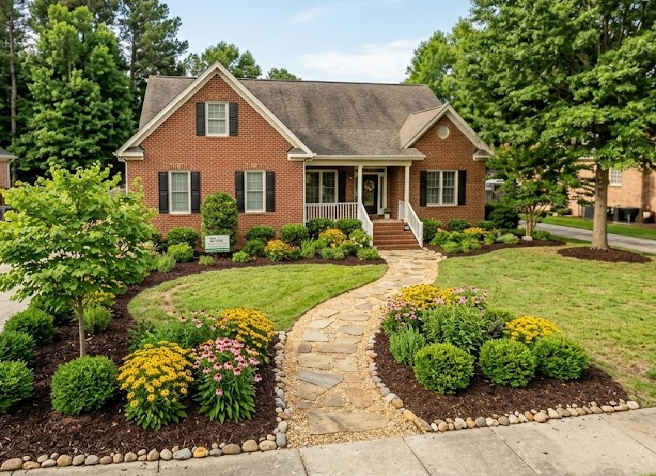
Fayetteville summers are notoriously intense. Between the soaring July heat waves, the sandy loam of our Sandhills soils, and seasonal water restrictions, maintaining a lush, green yard can feel like a losing battle against your utility bill.
The secret to a beautiful yard that survives the Sandhills heat without constant watering isn’t complex irrigation systems—it’s picking the right native plants. Native North Carolina plants have spent thousands of years adapting to our specific rain cycles, soil types, and pests. Once established, they require minimal intervention.
If you are planning a sustainable yard renovation, here are the top native, drought-tolerant plants that thrive in Fayetteville backyards.
High-Performance Native Plants for Fayetteville Landscapes
Dwarf Yaupon Holly (Ilex vomitoria)
An incredible evergreen structural choice that replaces thirsty, non-native boxwoods. It easily handles the poorest, sandiest soils found around Fort Bragg and Spring Lake.
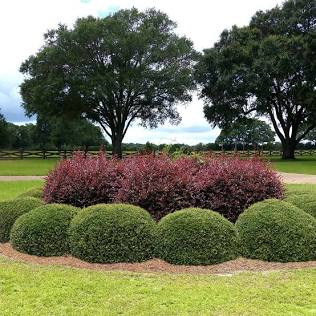
- Soil Requirement: Adapts to nearly any soil type, including heavy clay or pure Sandhills sand.
- Watering Schedule: Water deeply once a week during its first growing season. Once fully established, it relies almost entirely on natural rainfall.
- Best For: Low hedges, foundation plantings, and formal garden borders.
Eastern Redbud (Cercis canadensis)
A stunning understory tree that brings vibrant pinkish-purple blooms to Fayetteville yards early every spring, long before other trees wake up.
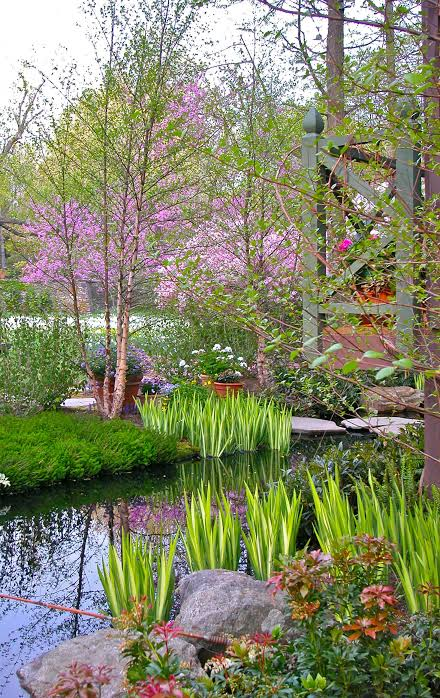
- Soil Requirement: Prefers well-drained loamy or sandy soil; tolerates acidic pH levels common to the Cape Fear River basin.
- Watering Schedule: Needs moderate water for the first year. It is highly drought-tolerant once its deep root system settles.
- Best For: Focal points in front yards or adding multi-tiered shade to backyards.
Black-Eyed Susan (Rudbeckia hirta)
A classic North Carolina wildflower that adds a massive burst of yellow color from mid-summer through the first frost of autumn.
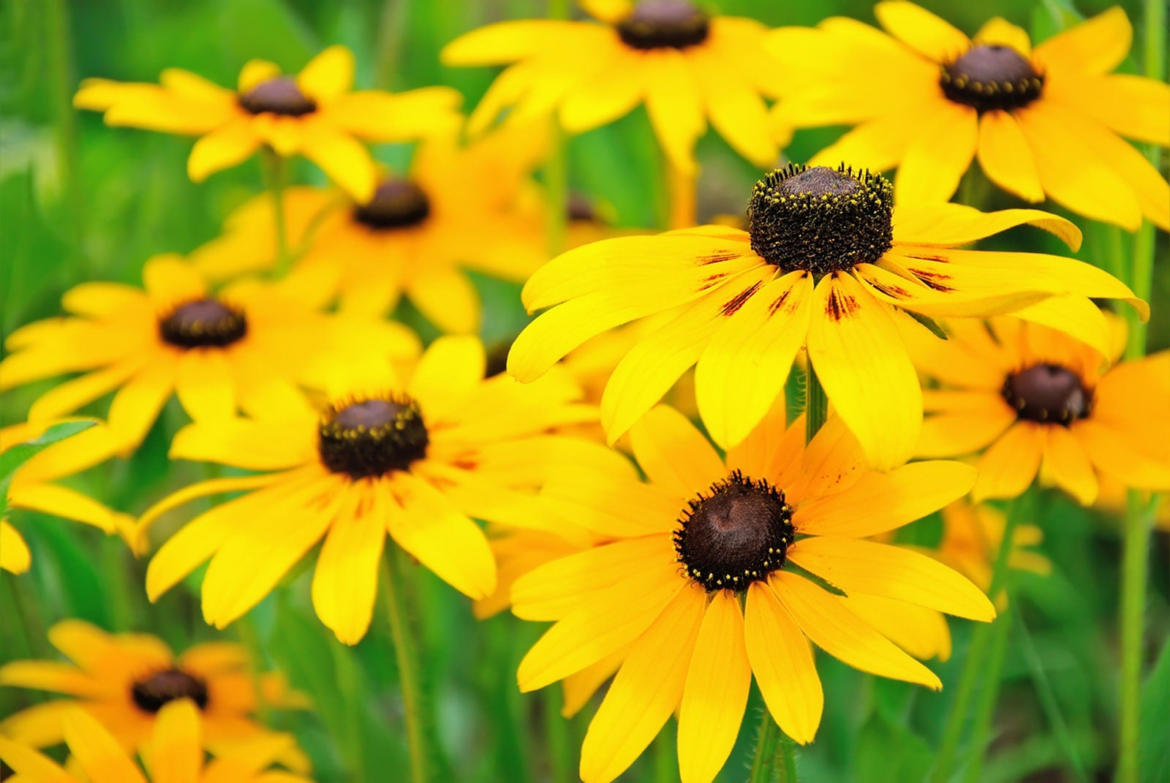
- Soil Requirement: Highly adaptable; thrives in poor, lean soils where other flowers wither.
- Watering Schedule: Extremely low water needs. Only water during severe, multi-week droughts.
- Best For: Pollinator gardens, pocket plantings, and sunny borders.
Purple Coneflower (Echinacea purpurea)
A magnet for local butterflies and goldfinches, this rugged perennial handles intense, direct Fayetteville afternoon sun without drooping.
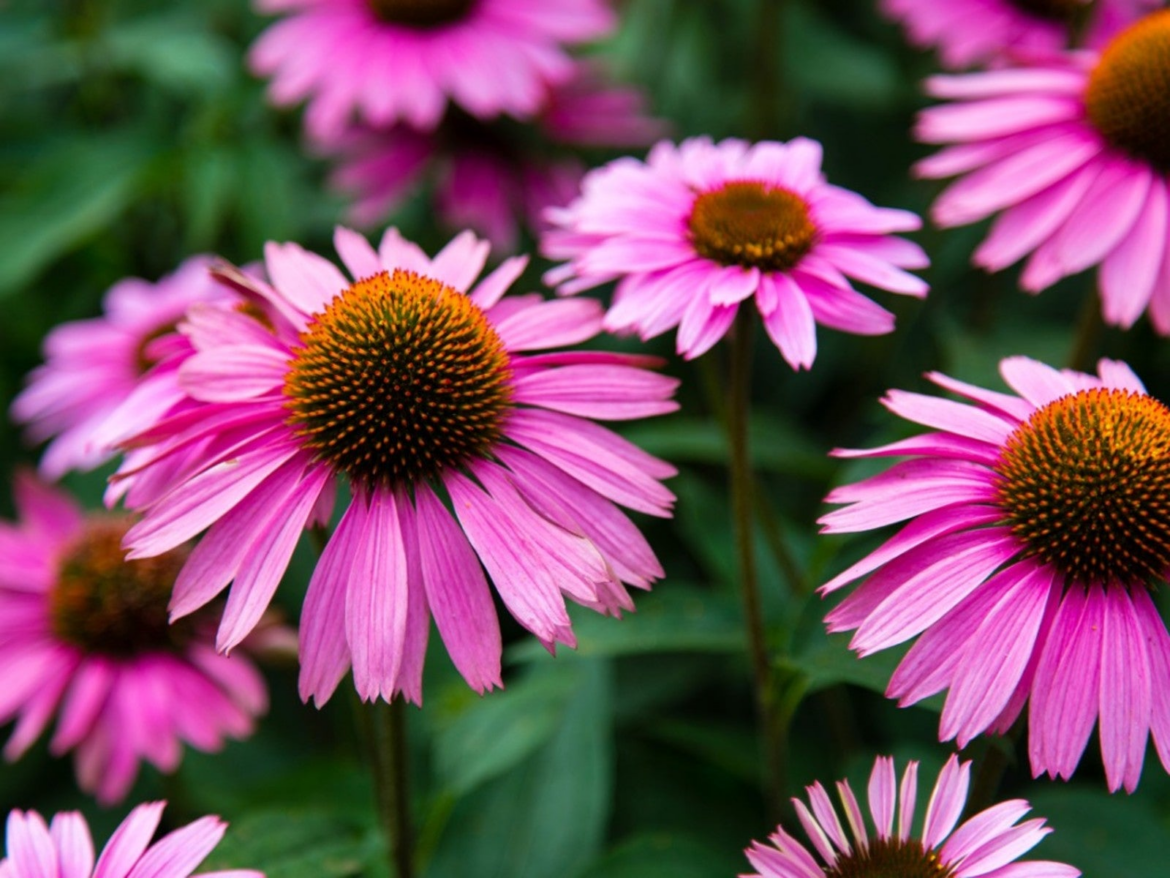
- Soil Requirement: Well-drained sandy loam or clay loam. Does not tolerate soggy winter roots.
- Watering Schedule: Drought-tolerant once established. Water sparingly, only when the top 3 inches of soil are bone-dry.
- Best For: Low-maintenance flower beds and sustainable xeriscaping.
Quick Reference: Fayetteville Native Plant Comparison
| Plant Name | Growth Habit | Sunlight Needs | Best Landscape Role |
| Dwarf Yaupon Holly | Evergreen Shrub | Full Sun to Partial Shade | Foundation & Hedges |
| Eastern Redbud | Small Deciduous Tree | Partial Shade to Full Sun | Accent & Shade Tree |
| Black-Eyed Susan | Perennial Wildflower | Full Sun | Borders & Mass Plantings |
| Purple Coneflower | Perennial Flower | Full Sun | Pollinator Gardens |
Ready to Transform Your Fayetteville Yard?
If you are looking to save money on your water bill while elevating your home’s curb appeal, our local team is here to help. We specialize in sourcing and installing native, drought-resistant landscapes designed specifically for Cumberland County soils.