
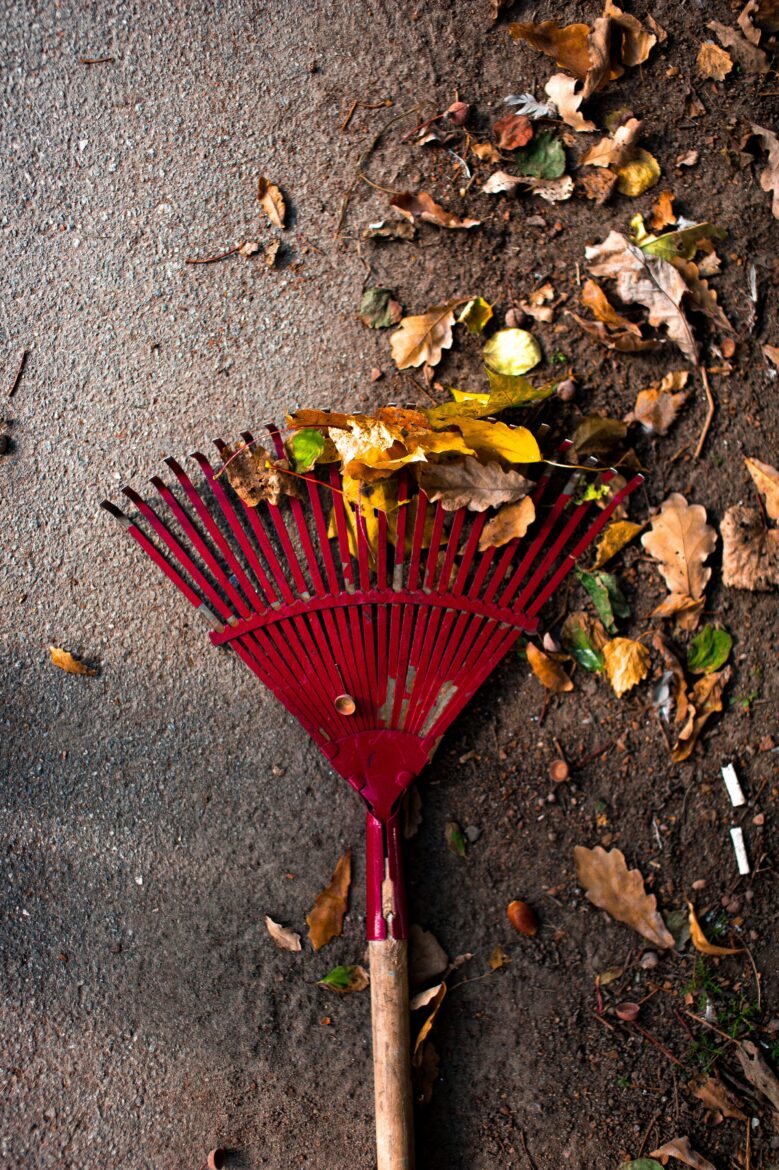
October is one of the best months to spend time outdoors in Fayetteville, North Carolina. The intense summer heat is finally easing, cooler mornings have arrived, and our landscapes are beginning their transition into fall.
But don’t put away the gardening gloves just yet! October is an important month for preparing your lawn, landscape, and garden for the cooler months ahead—and for getting a head start on next spring.
Here are some of the most important gardening tasks to tackle around your Fayetteville landscape this October.
1. Take Advantage of Fall Planting
If you’ve been thinking about adding new trees, shrubs, or perennials to your landscape, fall is an excellent time to get them in the ground.
While the air is getting cooler, the soil remains warm enough for roots to continue developing. At the same time, plants aren’t dealing with the intense heat and water demands of a Fayetteville summer. This gives many landscape plants an opportunity to establish a healthy root system before next year’s growing season.
October is a great time to evaluate your landscape and consider adding:
- Trees and shrubs
- Native plants
- Flowering perennials
- Foundation plantings
- Privacy screens
- New or expanded landscape beds
Remember that newly installed plants still need regular watering while they’re becoming established, even when temperatures are cooler.
2. Refresh Your Fall Color
Summer annuals around Fayetteville can start looking pretty tired by October. Now is the perfect time to clean up containers and landscape beds and replace declining summer color with plants that enjoy cooler temperatures.
Pansies and violas are classic choices for fall and winter color, while ornamental cabbage and kale can add beautiful texture to seasonal displays.
Don’t forget your containers and front porch! A combination of cool-season flowers, pumpkins, gourds, grasses, and other seasonal accents can instantly give your home’s entrance a fresh fall look.
3. Plant Cool-Season Vegetables
The vegetable garden doesn’t have to close for the season just because summer is over.
Many cool-season vegetables thrive during North Carolina’s fall weather. Depending on planting time and variety, Fayetteville gardeners can grow crops such as leafy greens, spinach, kale, collards, lettuce, radishes, turnips, and other cool-season favorites.
Collards and greens are especially at home in a North Carolina fall garden.
If you’re planting later in the season, pay attention to the days to maturity listed on your seeds or transplants. Shorter-season crops and established transplants may be better choices as we move closer to colder weather.
4. Give Your Lawn Some Attention
October lawn care depends heavily on the type of grass growing in your yard.
For homeowners with tall fescue, early fall is an important season for seeding and renovation. Cool-season grasses establish best during fall when temperatures are cooler and young grass has time to develop before the stress of summer.
Warm-season lawns such as Bermuda, centipede, and zoysia are beginning to slow down as temperatures drop, so their fall care requirements are different.
This is also a good reminder that fertilizer isn’t a one-size-fits-all solution. Your grass type, soil conditions, and time of year should determine what your lawn actually needs.
Not sure what your lawn needs? A soil test can take much of the guesswork out of fertilizing and amending your soil.
5. Clean Up—but Don’t Overdo It
October is a natural time to start tidying the landscape, but you don’t have to make every garden bed perfectly bare.
Remove diseased plant material, weeds, spent annuals, and anything that could create problems next season. Healthy leaves and plant material, however, can often be composted or used to benefit the garden.
A little organic matter is a good thing!
Leaves can be composted, shredded with a mower, or used appropriately around garden areas rather than automatically being sent to the curb.
6. Check Your Mulch
Take a walk around your landscape beds and check your mulch depth.
Mulch helps conserve soil moisture, suppress weeds, reduce erosion, and protect the soil from temperature fluctuations. If your mulch has broken down or become thin over the summer, fall is a good time to refresh it.
Just remember: more isn’t always better.
Avoid piling mulch deeply around tree trunks or against the base of shrubs. Mulch should protect the root zone without being mounded against the plant itself.
7. Don’t Stop Watering Just Because It’s Cooler
One of the easiest fall gardening mistakes is assuming cooler temperatures mean plants no longer need water.
Pay particular attention to anything planted recently. New trees, shrubs, and perennials need adequate moisture while their roots become established.
October rainfall can vary considerably, so check the soil rather than relying solely on the calendar. Deep, less-frequent watering is generally more beneficial than constantly wetting only the top layer of soil.
8. Prepare Your Garden Soil for Next Year
Want a better garden next spring? Start working on your soil now.
After removing finished vegetable plants and weeds, consider adding compost or other appropriate organic matter to your garden. Fall is also an excellent time to have your soil tested.
A soil test can tell you important information about soil pH and nutrient levels so you can make informed decisions instead of simply adding fertilizer and hoping for the best.
Even better, fall gives certain soil amendments time to begin working before spring planting season arrives.
9. Think Ahead to Spring Blooms
It’s hard to think about spring when pumpkins are sitting on the porch, but some of the best spring displays begin in the fall.
October and the coming weeks are the time to start thinking about spring-flowering bulbs such as daffodils and other bulbs suited to our area.
Planting now gives bulbs the cool period they need before putting on their spring show.
Future you will be glad you remembered!
10. Take a Good Look at Your Landscape
Finally, October is a great month to simply step back and evaluate your yard.
Once the explosive growth of summer begins slowing down, it becomes easier to see what’s working—and what isn’t.
Do you have an empty corner that needs a focal point? An overgrown foundation bed? A spot where nothing seems to thrive? Are you lacking year-round structure or seasonal interest?
Take pictures and make notes now. Fall and winter are excellent seasons for planning landscape improvements so you’re ready when spring arrives.
Make the Most of Fall in Fayetteville
October isn’t the end of gardening season in Fayetteville. In many ways, it’s one of the best times to be outside.
A little work now can improve the appearance of your landscape throughout fall and winter while setting your lawn and garden up for a healthier spring.
Whether you’re refreshing landscape beds, adding trees and shrubs, improving your lawn, or planning a larger outdoor transformation, the Green Biz Nursery & Landscaping team is here to help.
Contact Green Biz Nursery & Landscpaing to start planning your next outdoor project. Fall is a beautiful time to get growing!