
July is one of the hottest months of the year in North Carolina, but that doesn’t mean your landscape has to suffer. A few simple maintenance tasks can help your lawn, trees, shrubs, and flowers stay healthy through the summer while setting them up for success later in the season.
Here’s what should be on your July gardening checklist.
Water Deeply, Not Daily
One of the biggest mistakes homeowners make during hot weather is watering too often. Frequent, shallow watering encourages weak root systems. Instead, water deeply one to two times per week, allowing moisture to soak several inches into the soil.
The best time to water is early in the morning before the day’s heat arrives. This reduces evaporation and gives plants time to dry before evening, helping prevent disease.
Refresh Your Mulch
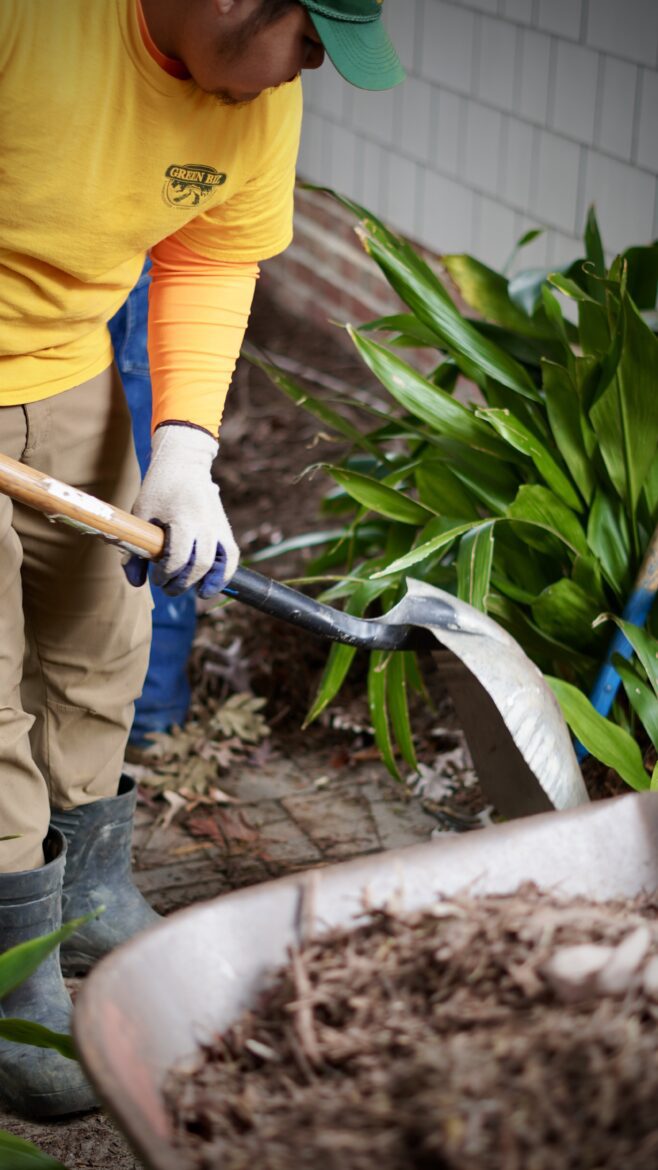
If your mulch has faded, thinned out, or washed away during spring storms, July is a great time to freshen it up.
A 2- to 3-inch layer of mulch helps:
- Retain soil moisture
- Keep roots cooler during extreme heat
- Reduce weed growth
- Improve the appearance of your landscape beds
Just remember to keep mulch a few inches away from the base of trees and shrubs to prevent moisture buildup around the trunk.
Keep an Eye Out for Heat Stress
Even established plants can struggle during long periods of high temperatures.
Signs of heat stress include:
- Wilting leaves that don’t recover by evening
- Brown or crispy leaf edges
- Premature leaf drop
- Drooping flowers
If you notice these symptoms, check soil moisture before watering. Overwatering can be just as harmful as underwatering.
Deadhead Summer Blooms
Removing spent flowers encourages many annuals and perennials to continue blooming throughout the season.
Regular deadheading keeps plants looking neat while directing their energy into producing new flowers instead of seeds.
Watch for Summer Pests
Warm weather brings increased activity from insects like Japanese beetles, aphids, spider mites, and scale insects.
Inspect your plants regularly, especially the undersides of leaves. Catching problems early often allows for simpler treatment before significant damage occurs.
Avoid Heavy Pruning
Resist the urge to heavily prune trees and shrubs during the hottest part of summer.
Instead, remove only dead, damaged, or diseased branches. Save major pruning projects for the appropriate dormant season unless a specific plant requires otherwise.
Feed Containers More Often
Container plants dry out much faster than those growing in the ground. They also use nutrients more quickly.
Water containers daily as needed during extreme heat, and fertilize regularly with a balanced fertilizer to keep flowers colorful and healthy all summer long.
We’re Here to Help
At Green Biz Nursery & Landscaping, we’re here to help your landscape thrive through every season. Whether you need a new landscape design, fresh mulch, professional landscaping, or expert advice, our team is ready to help you make the most of your outdoor space. For our latest updates, check us out on Facebook!