
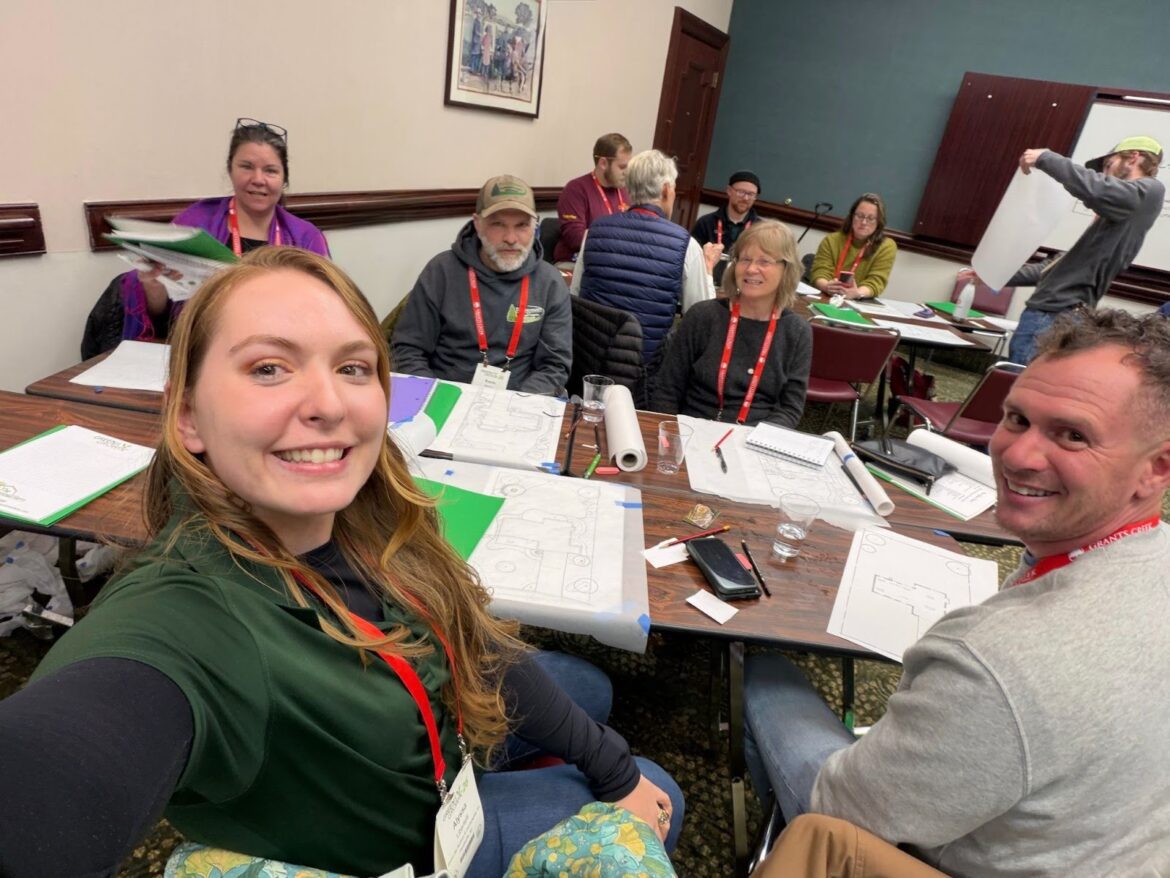
Day 1
Upon arriving at the Sheraton Four Seasons, Kat and I paused to reflect on an important milestone. Last year at Green & Growin’, we earned our Certified Plant Professional designation through the NCNLA, and this year it was especially rewarding to see our names proudly displayed on the board at the entrance to the event.

After checking in, we then made our way through the exhibitor booths, eager to learn about new plant selections and emerging trends. One highlight for me was the Proven Winners booth on hydrangeas. Traditionally, hydrangeas are known for their sensitivity to soil pH, often changing color based on growing conditions. However, new cultivars are being developed to produce fuller, healthier, and more vibrant blooms that remain consistent in color regardless of soil pH.
These advancements open the door to using this incomparable, long-lasting summer bloomer more confidently and creatively; expanding the ways hydrangeas can be incorporated into landscapes without the usual concerns about color variability.
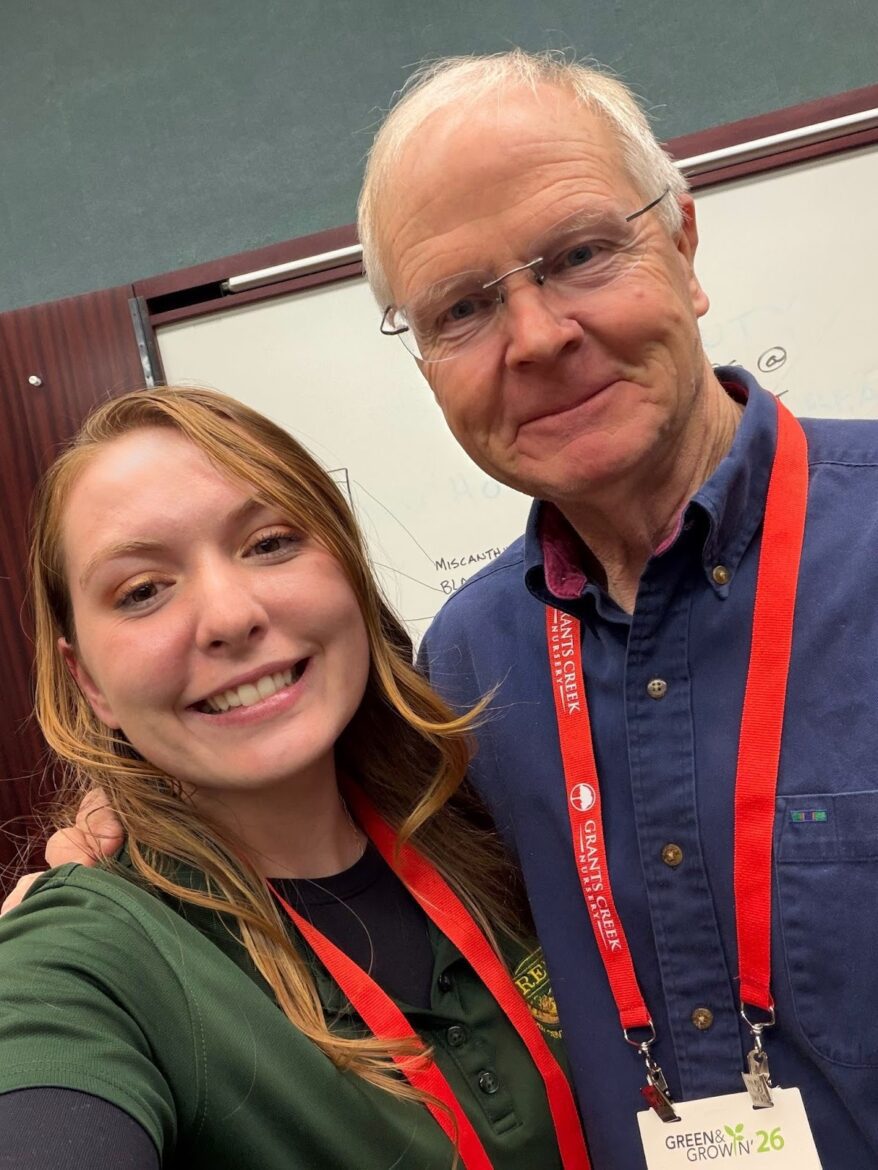
Green & Growing Day 1 was centered on education, collaboration, and meaningful networking. The day gave us the opportunity to strengthen our foundational design skills under the instruction of Dr. Richard Ludwig, a charismatic and energetic educator you may recognize from Southern Living Magazine or GardenSmart.
During Dr. Ludwig’s session, “Creating the Ultimate Landscape Design,” we revisited and reinforced core landscape design principles such as form, function, color, and texture. While these concepts are familiar to most designers, Dr. Ludwig challenged us to step outside our comfort zones through a client-focused design exercise that pushed conventional thinking.
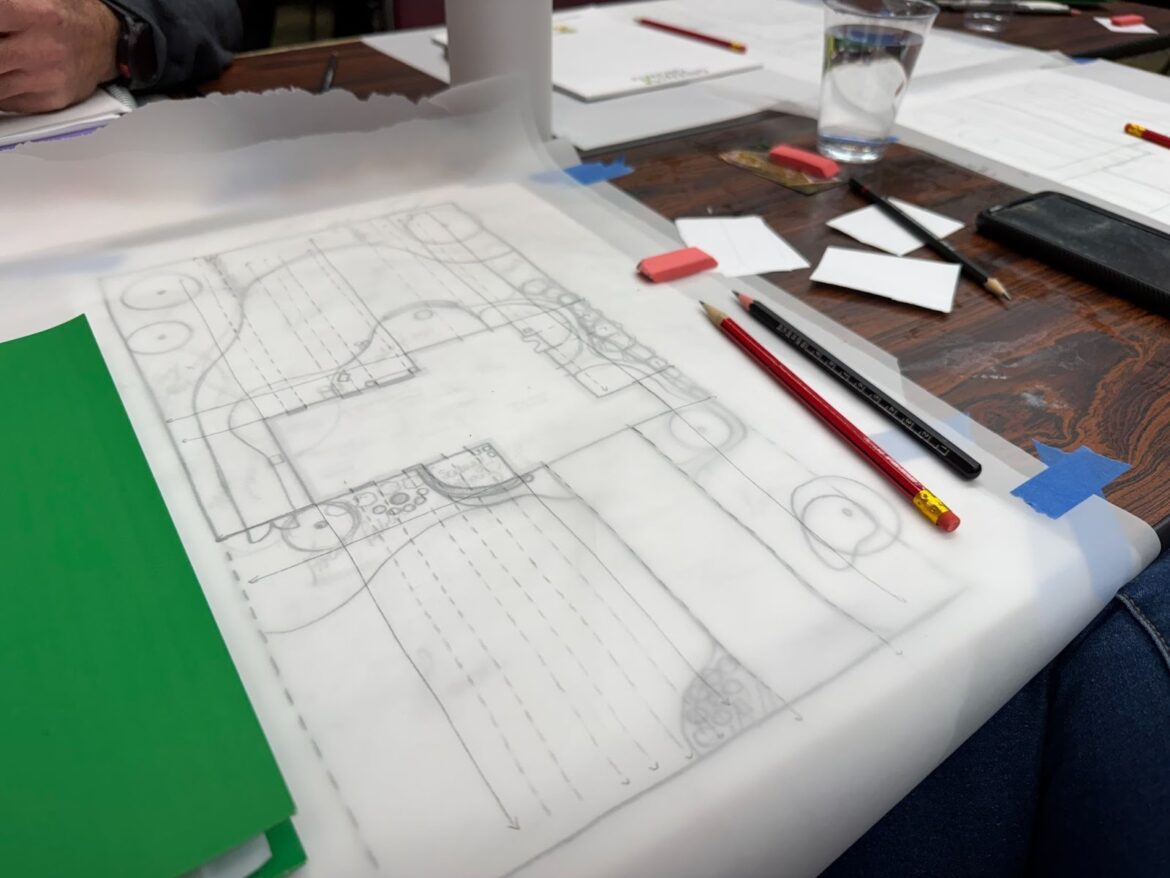
Using lines of force, the class was asked to create compositions featuring harsh, clean, modern lines; an approach that sparked plenty of debate and resistance among a room full of designers more accustomed to organic forms. Despite the initial opposition, the exercise encouraged us to explore new perspectives and design solutions we might not typically consider.
After completing the structured portion of the exercise, we were able to adapt the design to reflect our personal style. In my case, this meant returning to a curvilinear approach. The most valuable part of the process came through peer feedback and constructive critique, offering insights into both our own work and the diverse ways others approached the same challenge.
It was especially interesting to hear how ideas evolved at each stage of the exercise, and how designers blended their own instincts with inspiration from their peers. The experience reinforced the value of collaboration and reminded us that growth often comes from challenging what feels familiar.