
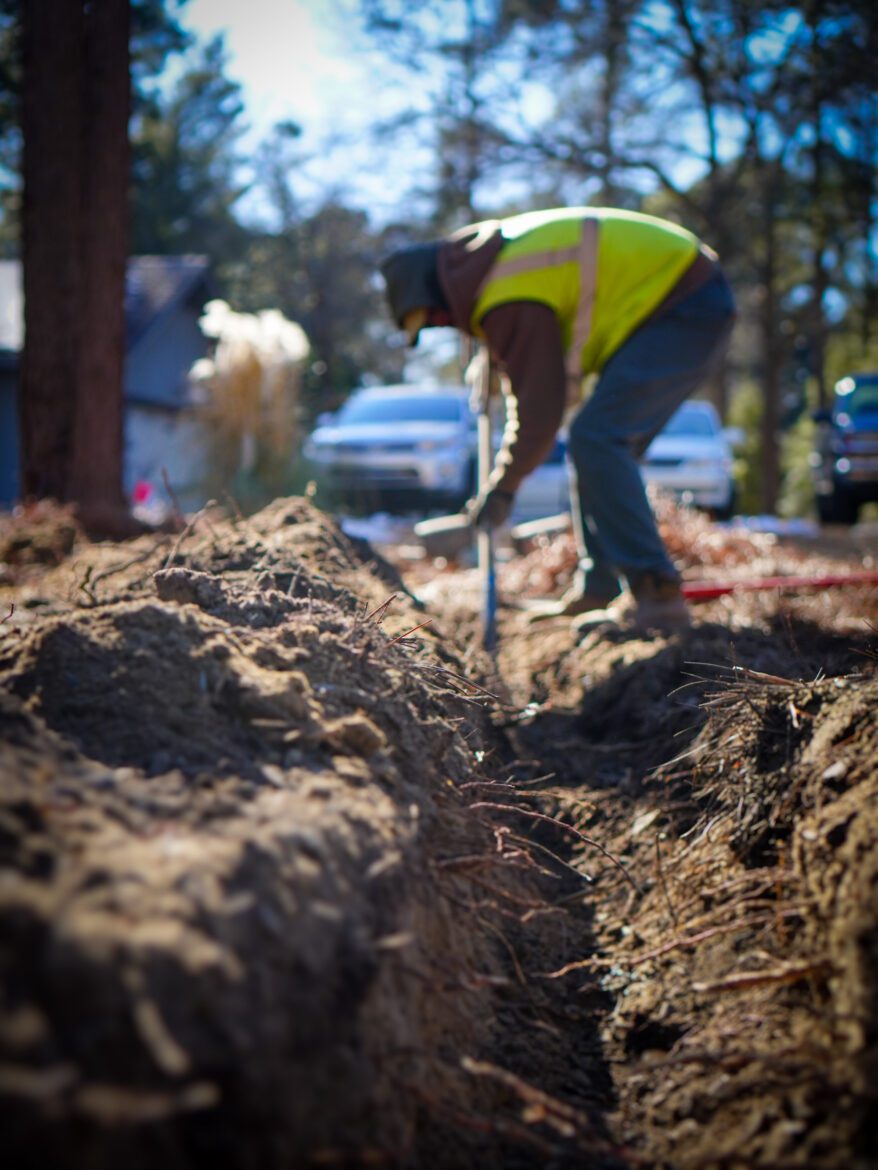
February in the Sandhills is a month that keeps gardeners guessing. One day feels like early spring, and the next brings frost and cold rain. At Green Biz, we see February as a transition month—less about planting everything at once and more about preparing your landscape for long-term success once spring truly arrives.
Pruning the Right Plants at the Right Time
Late winter is one of the best times to handle pruning, as long as it’s done correctly. At Green Biz, we often help homeowners prune deciduous trees, summer-blooming shrubs, and roses while plants are still dormant. This timing encourages healthier growth and better structure later in the season.
Spring-flowering shrubs such as azaleas, camellias, and gardenias should be left alone for now. These plants have already formed their buds, and pruning in February would reduce spring blooms—something we always aim to protect when planning and maintaining landscapes.
Improving Soil in Sandy Sandhills Conditions
Soil preparation is one of the most valuable February tasks, especially here in the Sandhills where sandy soil drains quickly and struggles to retain nutrients. Green Biz often recommends improving soil now with compost or organic matter to create a stronger foundation for spring planting.
Loosening compacted beds and addressing weak areas early allows roots to establish more easily once temperatures warm. When clients ask why plants struggle year after year, soil health is often the missing piece.
Planting Cool-Season Vegetables in February
For those eager to start growing, February allows for the planting of cool-season vegetables when conditions cooperate. Lettuce, spinach, kale, collards, onions, and peas can all be planted successfully this time of year.
At Green Biz, we always remind gardeners to stay prepared for sudden temperature drops. Late cold snaps are common in our area, and having frost protection ready can make the difference between a thriving garden and lost plants.
Why Mulching Matters Before Spring
Mulching is another task Green Biz recommends tackling in February. Mulch helps regulate soil temperature, reduces erosion from winter rains, and holds moisture in fast-draining soil.
It also gives landscape beds a clean, finished look heading into spring. Applying fresh mulch now helps suppress weeds before they emerge, saving time and effort later in the season.
Hold Off on Fertilizing—For Now
Although warm days can make it tempting to fertilize, February is usually too early for most landscapes. Green Biz advises waiting to fertilize until the risk of frost has passed and lawns begin active growth.
Fertilizing too early can push tender new growth that may be damaged by cold weather. For now, observation and preparation are far more beneficial than rushing nutrients.
Identifying Drainage Problems During Winter Rains
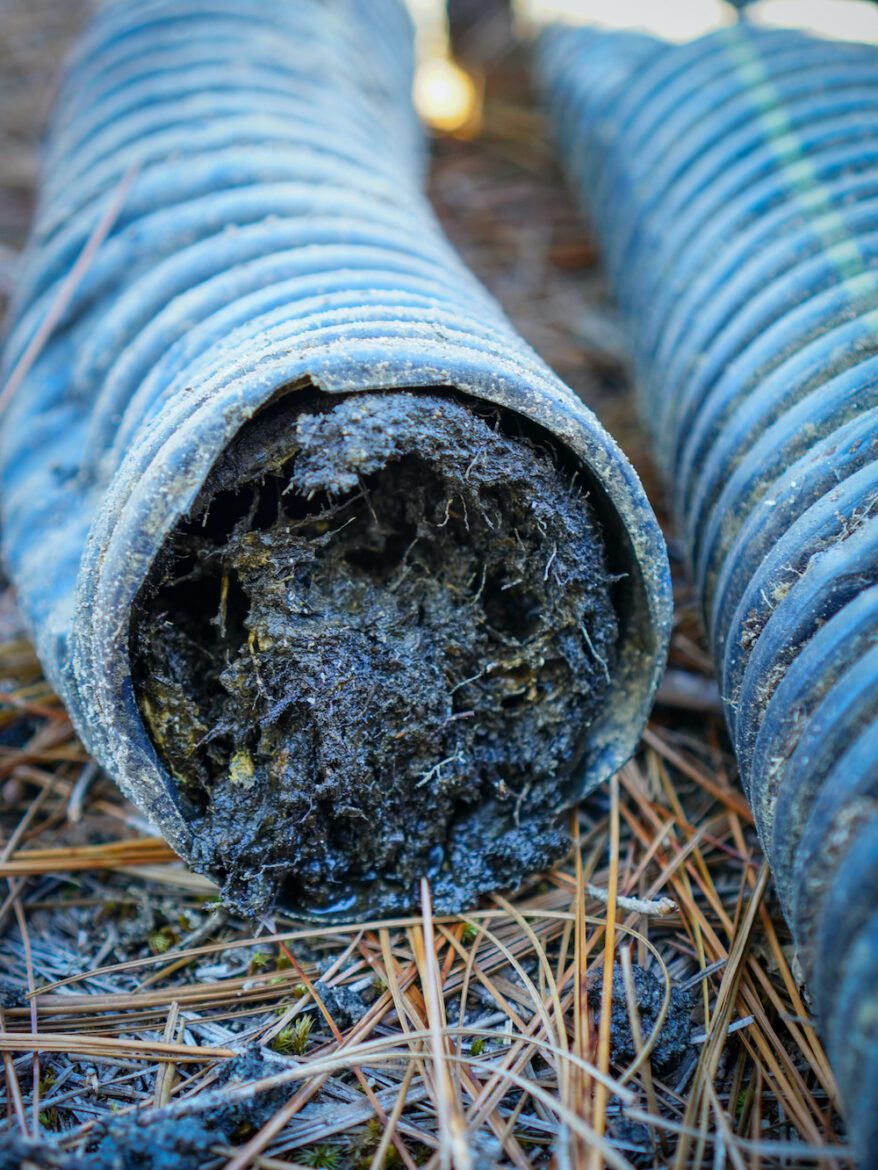
Winter weather often reveals drainage issues that go unnoticed during drier months, making February an ideal time to assess problem areas. At Green Biz, we frequently see standing water, soggy lawns, or erosion near foundations and downspouts during this time of year.
Addressing drainage concerns now helps prevent plant loss, turf damage, and larger issues once spring rains arrive and planting begins.
Planning Ahead for Spring Landscaping Projects
February is the perfect month to plan upcoming landscape projects. Whether you’re considering new landscape beds, plant replacements, drainage upgrades, or a full outdoor refresh, Green Biz encourages early planning.
Spring schedules fill quickly, and having a clear plan in place now leads to smoother projects and better long-term results.
Schedule a Free Landscaping Estimate with Green Biz
If you’d like help preparing your yard for spring, Green Biz offers free landscaping estimates for pruning, mulching, drainage solutions, and landscape planning.
👉 Schedule your free estimate here
👉 Follow Green Biz on Facebook for seasonal tips and project updates
A little work in February goes a long way toward a healthy, beautiful landscape this spring.